
A saw blade is one of the most important parts of cutting tools used in construction, woodworking, and metalwork. It determines how clean and fast a material can be cut. Different blades are designed for different materials, and choosing the right one affects both safety and performance. A wrong blade can damage the material or the tool. Proper selection makes work easier.
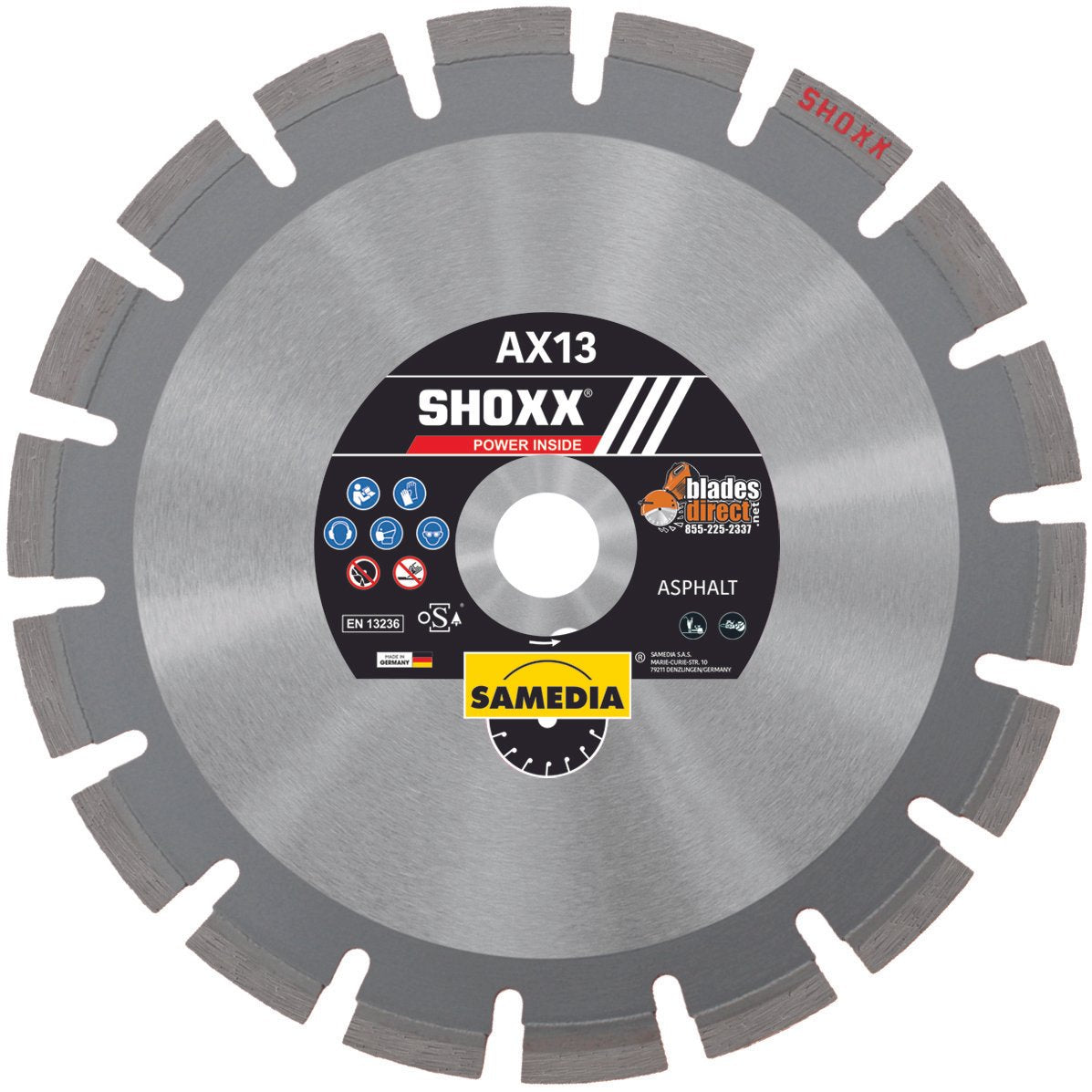
Types of Saw Blades and Their Applications
Saw blades come in many forms depending on their saw blade use. Circular saw blades are common in construction and woodworking. They spin at high speed and are used for straight cuts in wood, plastic, or metal. Their teeth shape and spacing determine how smooth the cut will be.
Diamond blades are designed for hard materials like concrete, stone, and tile. These blades do not have traditional teeth. Instead, they use a diamond-coated edge that grinds through tough surfaces. A single blade can last through many hours of heavy cutting.
Another type is the carbide-tipped blade. These are often used in carpentry and furniture making. They stay sharp longer and handle repeated use without losing performance quickly. Each blade type is built for a specific purpose.
Some blades are designed for fine finishing, while others are built for rough cutting. Choosing between them depends on the task.
Choosing the Right Saw Blade for the Job
Blade selection depends on material type, cutting speed, and tool compatibility. A wood blade will not work well on metal, and a metal blade may damage softer materials. Matching the blade to the task ensures cleaner cuts and safer operation. Many workers check product guides before making a choice.
For example, professionals who handle construction tools often refer to resources like information pages to understand specifications and usage details. These guides help avoid mistakes that could damage equipment or slow down work. A careful selection process improves both safety and efficiency. Small choices matter a lot here.
Blade size is another important factor. Common circular saw blades range from 4 inches to 12 inches in diameter. Larger blades cut deeper but require more powerful machines. Smaller blades offer more control for detailed work.
To choose the right blade, workers often consider:
– Material being cut such as wood, metal, or concrete
– Tooth count, which affects cut smoothness
– Blade diameter and machine compatibility
– Cutting speed and job duration
Safety Tips When Using Saw Blades
Saw blades are sharp and operate at high speed. Safety must always come first. Operators should wear protective glasses and gloves to prevent injury from flying debris. Even small chips can cause harm during cutting.
Before starting, the blade should be checked for damage. A cracked or worn blade can break during use and cause accidents. Proper installation is also important to avoid vibration and uneven cuts. A secure blade improves control.
Never force a blade through material. Let the tool do the work at its natural speed. Forcing it can overheat the blade and reduce its lifespan. Smooth movement is safer and more effective.
Work areas should be kept clean. Loose materials on the floor can cause slipping or unstable positioning of the tool. A clear space helps maintain focus during cutting tasks that may take several minutes or longer depending on material thickness and complexity.
Maintenance and Blade Care for Long-Term Use
Proper maintenance extends the life of a saw blade. Cleaning after use removes dust, resin, and metal fragments that build up over time. A clean blade cuts more efficiently. It also reduces wear on the tool.
Sharpening is also necessary for many types of blades. Dull blades require more force and create rough edges. Regular sharpening keeps performance consistent and improves cutting quality. Some blades can be sharpened multiple times before replacement.
Storage plays a big role in blade life. Blades should be kept in a dry place to prevent rust and damage. Stacking them incorrectly can cause bending or chipped edges. Proper storage keeps them ready for future use.
Inspection should be done regularly. Checking for cracks, missing teeth, or uneven wear helps prevent accidents. Replacing a damaged blade is always safer than trying to repair it. Careful attention ensures reliable performance.
A saw blade may look simple, but it plays a key role in cutting work across many industries. Understanding its types, choosing the right one, and following safety and maintenance practices all contribute to better results. Proper handling ensures cleaner cuts and longer tool life.